
Guardianship
 When a grown-up with a developmental disability needs help making important choices, a court can appoint someone called a guardian. This guardian can then help with decisions about medical care, where the person will live, and managing their money. This is a legal way to protect the person and make sure they are safe and well-cared for. It's used when the person can't make these decisions on their own, and only after careful thought and looking at other options.
A judge might choose a guardian for an adult with a developmental disability if that person:
- Can't make good choices about their personal care, health, or where they live.
- Is in danger of not being cared for properly, being tricked, or being hurt.
- Has a serious, long-lasting health problem that makes it hard to manage daily life or money.
In New Jersey, guardianship is not automatic at 18 — it must be petitioned and approved by the court. Starting the process at 16 or earlier is a proactive step to ensure that if the child’s needs change, the legal framework and a qualified guardian are in place to protect their best interests.?
Before you begin, check out NJCDD Thinking for Me Comics (English and Spanish) all about Guardianship and its Alternatives:
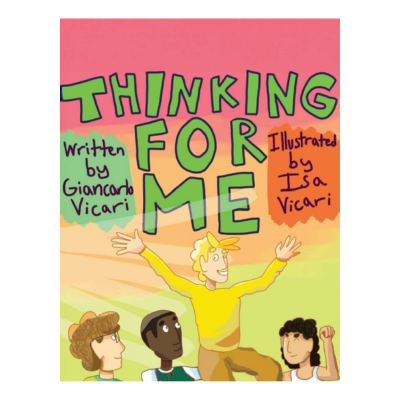
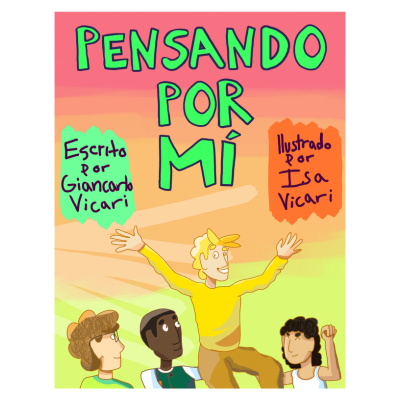
 Get Help Navigating through your options and the court-system
- Court-Appointed Guardian Video Tutorial
- Adult Guardianship - The Judiciary provides instructions and resources for people seeking guardianship for an individual with developmental disabilities.
- Division of Developmental Disabilities - Guardianship - information about what Guardianship is resources from DHS Bureau of Guardianship Services
- Guardianship To Go Bag - One place with many helpful resources and tools.
- Supported Decision-Making - Find more information here!
- Autism New Jersey: Shared Decision Making - Power of Attorney
.png) At a Glance - Compare Decision-Making Options
At a Glance - Compare Decision-Making Options
.png)
 Legal Supports & Services
- Hinkle Prior Fischer & Oberweis Attorneys at Law - Representing people with disabilities and their families since 1974
- Self-Help Resource Page - Thinking about representing yourself in a guardianship case?
- Guardianship Assistance Program - affordable legal services for parents/caregivers of developmentally delayed youth attaining adulthood.
- Civil Pro Se Forms - Find all the forms you need if you do decide to represent yourself
 Find support for yourself to be the best guardian possible
- Plan NJ - Plan NJ's mission is to help families supporting individuals with disabilities to answer the question: "Who will care for my loved one when I'm gone?"
- National Guardianship Association - NGA seeks to protect adults under guardianship by ensuring their guardians receive quality education and access to resources.
- 211 Office of Public Guardian and Elder Rights - Provides aid, empowers and protects NJ's incapacitated elderly by providing outstanding individualized guardianship services.
If you’re trying to figure out guardianship for someone you care about, it can feel like a lot. You’re not the only one who feels this way. It’s important to handle your responsibilities, but also to take care of yourself. You can’t help others well if you’re not getting the support you need too.

- Break the process into manageable steps
- Take one task at a time. Start by collecting important papers, like medical, financial, and legal documents.
- Then learn what your legal role is and what reports you must give. This helps you stay on track and feel less stressed.
- Build trust and communication
- Even if your loved one has trouble thinking or moving, talk to them with respect. Include them in decisions when you can.
- Clear and steady communication helps everyone feel safe and valued.
- Handle Family Disagreements in a Healthy Way
- If family members disagree with you, try to talk openly and kindly. If things get tough, you can ask a neutral person to help.
- Keep the focus on what is best for your loved one to avoid arguments.
- Get Help from Professionals
- Work with a lawyer who understands disability rights. They can explain the rules, what the court expects, and what resources are available.
- This support can lower your stress and help you meet your responsibilities.
- Make a care plan
- Plan out medical needs, living arrangements, and daily support.
- Take care of urgent needs first, like safety, health, and housing.
- Then plan for long-term stability.
- Protect your own well-being
- Use the HALT framework (Hunger, Anger, Loneliness, Tiredness).
- These signs tell you when you need food, rest, connection, or a break.
- Small habits - like meal prepping, routines, or asking for help - can save your energy.
- Take care of YOU
- Caregiver BURNOUT is real.
- Take breaks, join support groups, and think about talking to a counselor.
- You can care for others better when you take care of yourself too.
- Keep records and stay organized
- Keep a simple system for tracking decisions, conversations, and court updates.
- Being organized helps you meet legal rules and reduce stress when you review your tasks.
- Know your limits
- If you already feel tired or overwhelmed, protect your energy by saying no to extra work.
- Ask others to help when possible—friends, family, or professionals.
- Focus on what matters most
- The main goal of guardianship is doing what is best for your loved one. Keeping this in mind can help you make good choices, even when things feel hard.
By combining structured planning, professional support, and self-care you can navigate guardianship more effectively and reduce emotional & practical strain.